
Pneumonia


Pneumonia
Pneumonia is an infection of the tissue in the lung. It can range from mild to fatal, depending on the type of germ causing the infection, your age, and your overall health.
Pneumonia is usually caused by a bacterial infection, but it can also be caused by a virus, such as coronavirus (COVID-19).
What is pneumonia?

What causes pneumonia?

Symptoms of pneumonia

Treatment for pneumonia

Our pneumonia research
Hudson Institute researchers are nationally and internationally recognised for progressing our understanding of the immune system’s inflammatory response and developing new approaches to treat bacterial infections.
Our pneumonia researchers are building knowledge of how lung inflammation develops and discovering new and repurposing existing drugs that can be used to treat bacterial and viral pneumonia.
Tackling dysregulated inflammation in severe influenza and pneumonia

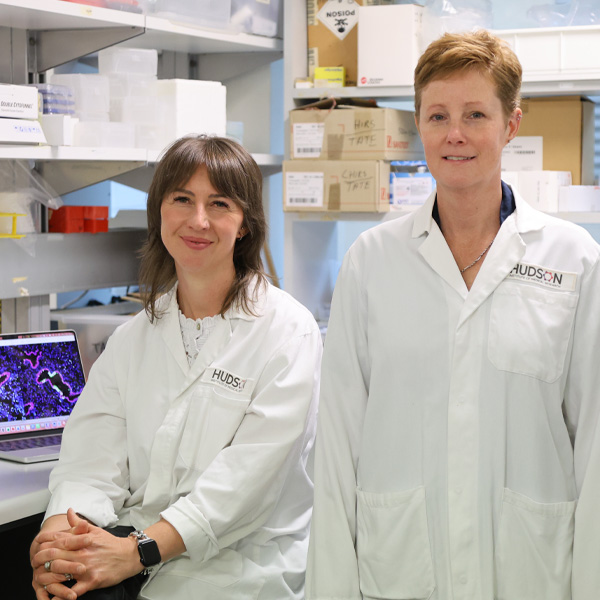 Severe influenza can trigger intense inflammation in the lungs, weakening the body’s natural defences and making it easier for harmful bacteria to cause pneumonia.
Associate Professor Michelle Tate and her team study how influenza virus disrupts lung tissue and why some people develop life‑threatening complications. A major focus is understanding how the virus damages cells and drives excessive inflammation. This lung injury increases the risk of secondary bacterial pneumonia.
Using these insights, the team is testing new and repurposed treatments designed to reduce harmful inflammation and protect the lungs. By blocking the pathways that cause tissue damage, we aim to prevent the severe, sometimes fatal pneumonia that can follow influenza infection.
Controlling bacterial lung infection with innate immune molecules

 Molecular studies. New treatment Professor Elizabeth Hartland’s team is studying how the body’s network of immune signalling molecules controls infection with Legionella and Burkholderia bacteria.
Eliminating pathogenic bacteria to prevent pneumonia

 Molecular studies. New treatment. The bacteria causing Legionnaires’ disease replicate in immune cells in the lungs, resulting in a potentially deadly form of pneumonia.
Pneumonia news
Pneumonia collaborators
- Walter and Eliza Hall Institute of Medical Research
- Australian National University
- Industry Partners Australia
- Noxopharm
- Monash BDI
- Monash Health
- University of Melbourne
- University of Hokkaido
- University of Saskatchewan
- Industry collaborators in Australia and the USA
Support for people with Pneumonia
Hudson Institute scientists cannot provide medical advice.
Find out more about pneumonia.
Keep up-to-date with our latest discoveries

