Childhood cancer


Childhood cancer
Each year almost 1,000 Australian children are diagnosed with childhood cancer and 5,600 are undergoing treatment.
For every ten children diagnosed, two will not survive; and those who do suffer long-term (sometimes life-long) health issues because current therapies can affect children’s growing bodies.
The development of more targeted and less toxic treatments for children with cancer is crucial to improve survival rates and reduce long-term treatment-related side effects.
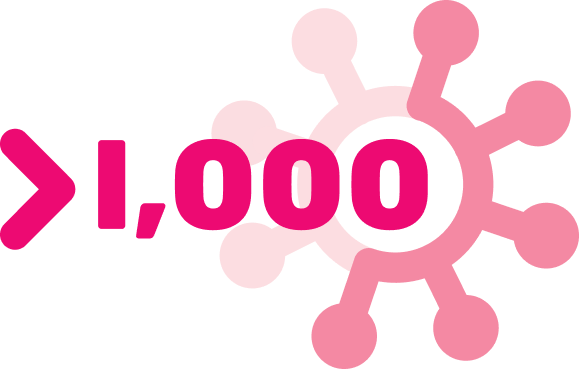
In Australia, more than 1,000 children and adolescents are diagnosed with cancer each year.

Cancer kills three children every week in Australia – more than any other disease.
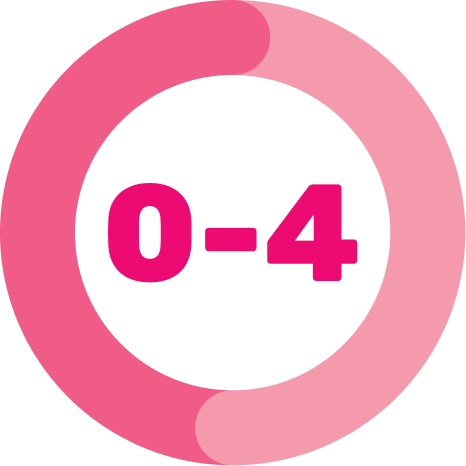
Almost half of all children diagnosed with cancer in Australia are aged 0-4 years old.
Our childhood cancer research
Hudson Institute’s Childhood Cancer Program aims to revolutionise outcomes for children with cancer. A world leader in the field, Hudson Institute brings together a multidisciplinary team of researchers, clinicians, and bioinformaticians to tackle some of the most challenging paediatric cancers.
Research focus
This program aims to improve survival rates and long-term health outcomes for children with cancer focusing on rare, low-survival, and difficult-to-treat cancers, including
- Sarcomas
- Acute myeloid leukaemia (AML)
- Aggressive brain tumours (high-grade gliomas and Diffuse Intrinsic Pontine Glioma (DIPG))
Central to our mission is the recognition that children are not small adults – their developing bodies require specialised approaches that minimise the long-term impacts of cancer treatment. By developing targeted, less toxic treatments, we aim to enhance both treatment efficacy and quality of life for young patients.
Programs
Next Generation Precision Medicine program

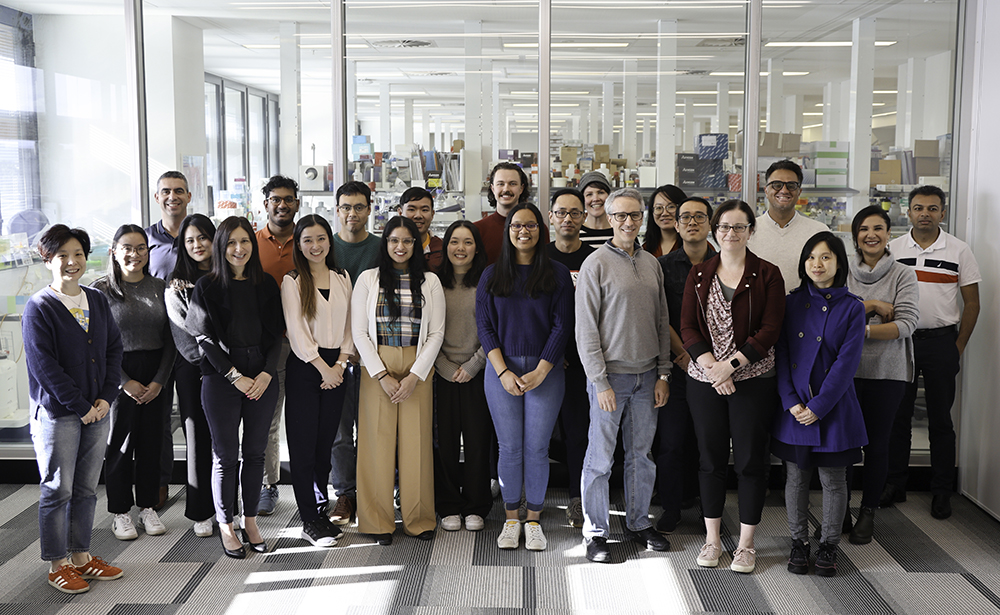
Childhood, adolescent and young adult (AYA) sarcoma program
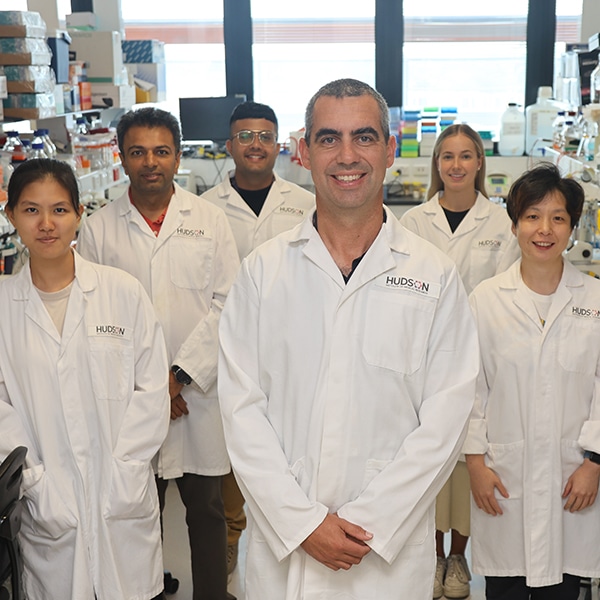
Childhood Acute myeloid leukaemia (AML) program
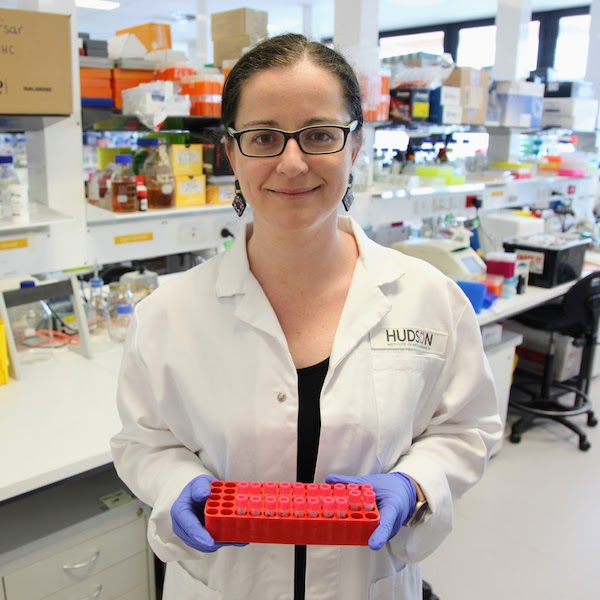
Childhood Cancer Immunotherapy program

Advanced Informatics program
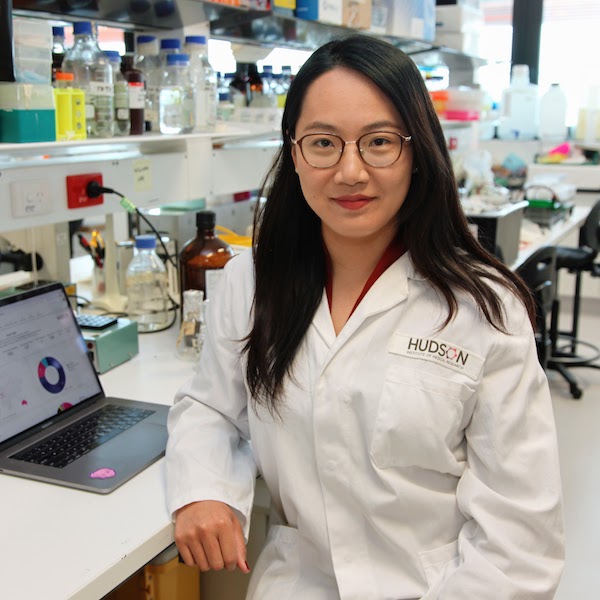
Support for families and children with cancer
Our scientists cannot provide medical advice.
If you would like to find out more information about childhood cancer, please visit
Image in top header: Luca Boggia-Hall, rare brain tumor survivor, playing in a park and laughing. Picture Courtesy Jason Edwards/Herald Sun
Childhood cancer news
Explore our labs
Keep up-to-date with our latest discoveries
Image in top header: Luca Boggia-Hall, rare brain tumor survivor, playing in a park and laughing. Picture Courtesy Jason Edwards/Herald Sun