
Silicosis


Silicosis is a chronic, incurable lung disease caused by inhaling unsafe levels of respirable crystalline silica dust.
In response to rapidly rising rates of the disease among stonemasons, Australia has become the first country in the world to ban the manufacture, supply, processing and installation of engineered stone benchtops, panels and slabs, effective 1 July 2024. The importation of these products was also banned from 1 January 2025.
While the ban is a critical step, it does not end the silicosis crisis. After two decades of exposure, workers already affected will continue to develop and live with the disease for decades to come, and an estimated 600,000 Australian workers remain exposed to silica dust in industries such as construction, mining, quarrying and tunnelling. There is no cure, and new treatments are desperately needed.
What is silicosis?

Who is at risk?
Symptoms of silicosis
Diagnosis
Treatment for silicosis
Our silicosis research
Hudson Institute researchers are nationally and internationally recognised for advancing our understanding of the immune system’s inflammatory response and developing new approaches to treat inflammatory and pulmonary diseases. Our teams are applying this expertise to silicosis in two key areas.
Silicosis research projects underway
Identifying biomarkers to assist early detection of silicosis
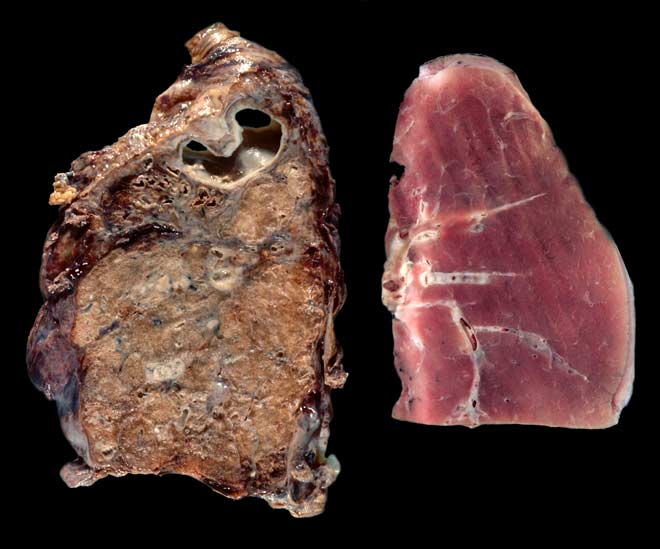
Targeting the immune response to limit silicosis
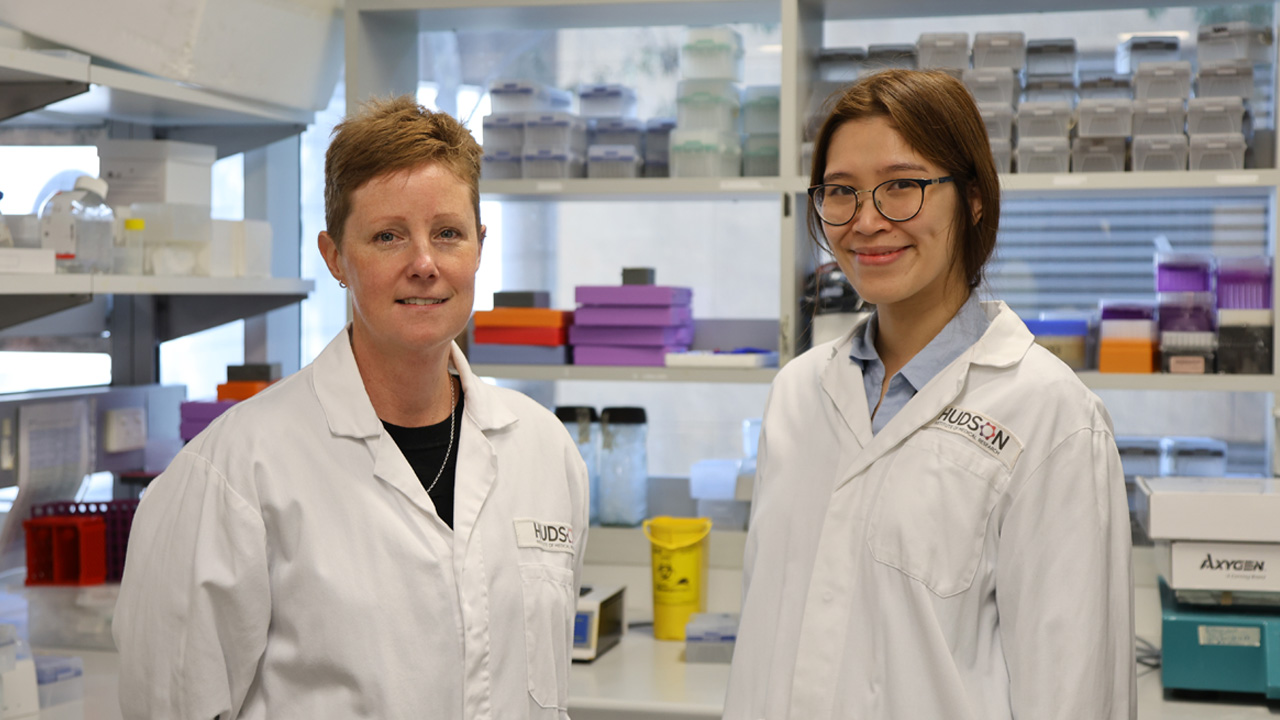
Hudson Institute scientists cannot provide medical advice.
Silicosis news
Explore our labs
Keep up-to-date with our latest discoveries

