
Inflammation and cancer


Inflammation and cancer
Inflammation is your body’s natural response to infection or injury. In normal circumstances, inflammation eliminates foreign invaders (bacteria or viruses) and damaged cells to heal wounds within hours or days. However, this life-saving process can also be harmful. Chronic inflammation is linked to more than 50 per cent of all deaths worldwide and one in five cancers.
Inflammation and cancer research at Hudson Institute
Ongoing research is shedding light on how long-lasting inflammation may contribute to certain aggressive cancers, including those affecting the lungs and stomach. Our scientists are working to uncover how the immune system’s response to inflammation might play a role in cancer development.
By understanding this connection, we aim to
- Reveal how inflammation affects tumour growth
- Develop new medications that target inflammation to fight cancer
- Improve treatments for cancer patients.
This research brings hope for better ways to prevent and treat cancer.
FAQs
When does inflammation become a problem?

How does inflammation contribute to cancer?
What causes chronic inflammation?
Inflammation and cancer research projects underway
Boosting IL-18 to defeat cancer
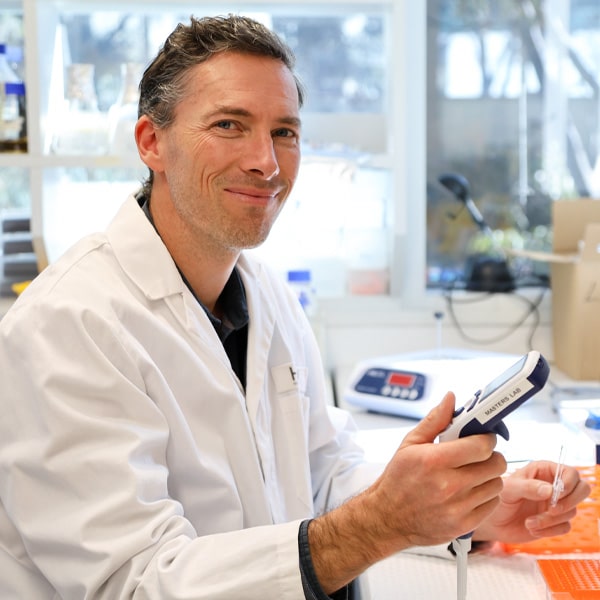 The immune system has the ability to defeat cancer, but often needs to be turned up to work effectively. One immune protein that can work well is called IL-18, but is not very active in most types of cancer. Professor Master’s team has designed a product that increases IL-18 activity and is looking to turn this into an anti-cancer therapy.
Closing in on ovarian cancer therapy

RNA therapeutics for immunotherapy
A new therapeutic target for Helicobacter pylori-induced stomach cancer
Bacterial vesicles impact host cell functions and modulate inflammation
Illuminating the roles of STAT3 in health and disease
Interferon’s role in harnessing interferons in the growth and spread of cancer
Inflammation and cancer collaborators
Victorian Comprehensive Cancer Centre, Noxopharm, University of Queensland, Integrated DNA Technologies, Walter and Eliza Hall Institute of Medical Research, Harvard Medical School, University of Toronto, University of Hohenheim, Morningside Ventures, DUKE-NUS (Singapore), Kanazawa University, University of Kiel, University of Arizona, Garvan Institute of Medical Research
Support for people with inflammation and cancer
Hudson Institute scientists do not provide medical advice.
If you would like to find out more information about inflammation and cancer, please visit
Inflammation and cancer news
Explore our labs
Keep up-to-date with our latest discoveries

