2025 NHMRC Ideas Grant success
By Rob Clancy, staff writer
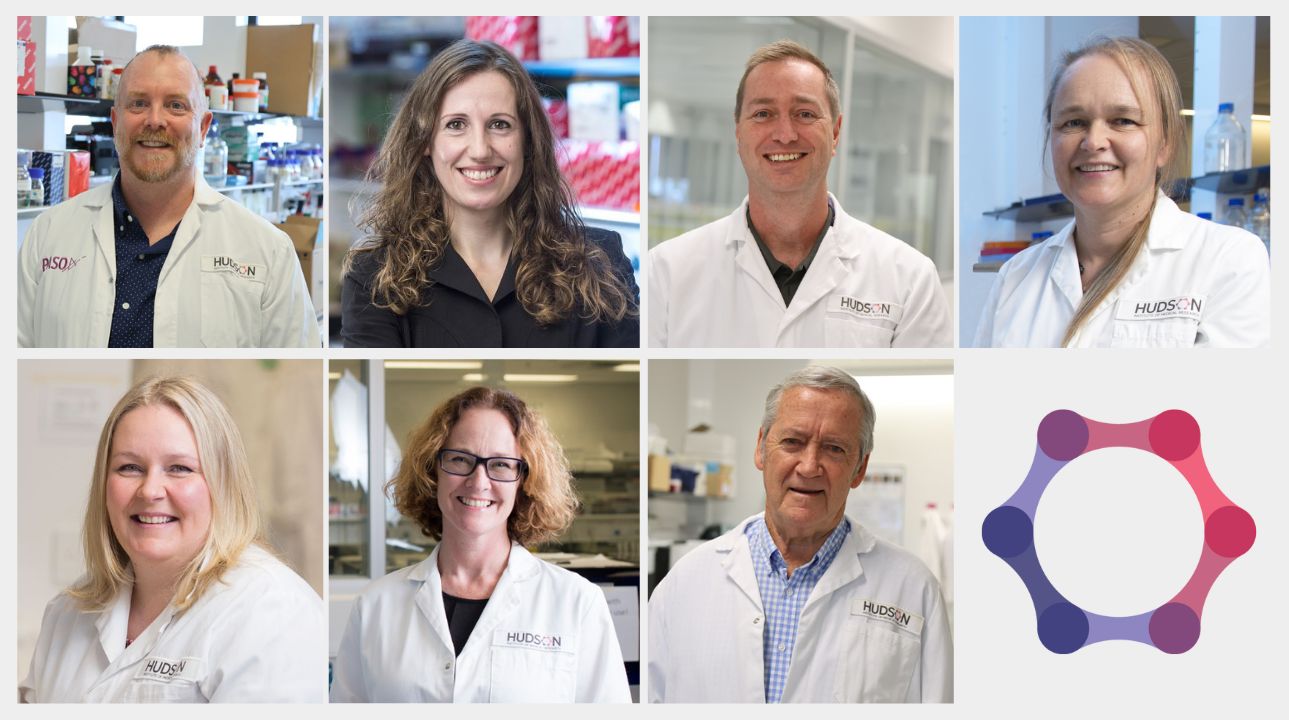
Hudson Institute research has been recognised in this year’s National Health and Medical Research Council (NHMRC) Ideas Grants, with seven projects receiving funding.
Grants totalling $13.4 million will be shared by the successful applicants, for research projects addressing areas of medical need, ranging from newborn health to viral and bacterial infections.
Hudson Institute’s success rate in this grant round was 16% – approximately double the national average – meaning many excellent projects were unsuccessful, illustrating how competitive this funding is.
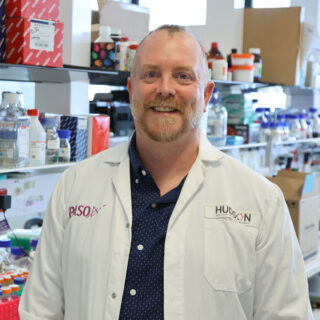
Redefining signalling to integrate emerging STAT3 activities
Associate Professor Daniel Gough
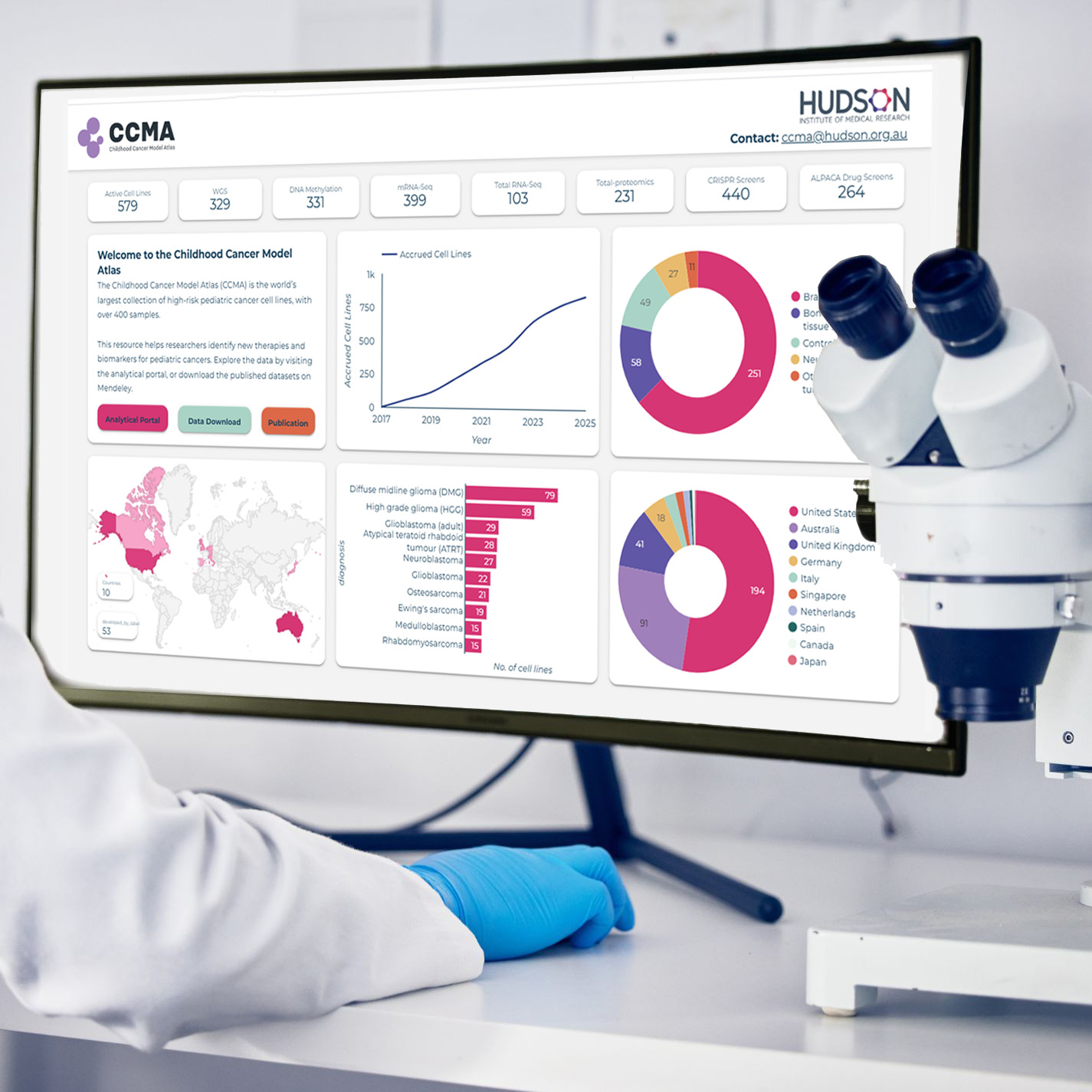
The ability of a cell to respond to its environment is determined by intracellular protein signalling networks. The fidelity of which is essential to maintain tissue balance and avoid diseases. However, we now appreciate that our current models are far too simplistic and must be re-defined. In this study we take advantage of recent technological advances to address this shortfall. Our data will generate new models to understand disease and will be publicly released as a web-based application.
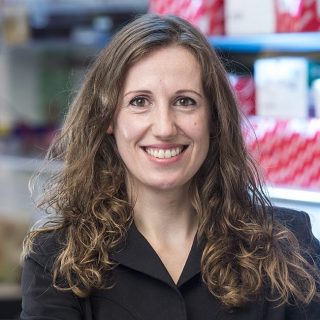
Integrating immunomodulatory and probiotic strategies to prevent necrotising enterocolitis
Dr Ina Rudloff
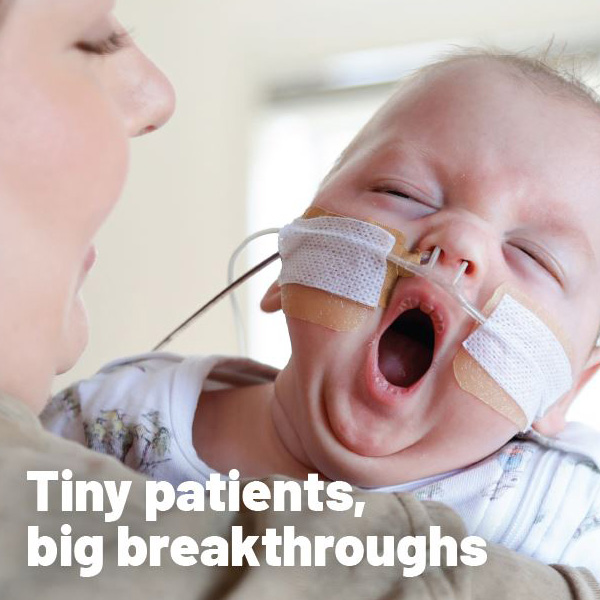
Modern intensive care improved the outcome of extremely preterm infants, but now they face a severe gut disease, claiming the lives of up to 65% of affected babies. A specific treatment or cure is not available, despite decades of research. We have advanced our groundbreaking discoveries of dysregulated immune functions and abnormal microbes involved in the disease thanks to the support of the Norman Beischer Foundation. Now, we will investigate novel strategies to balance the immune system and gut microbes to provide the first treatment for our tiny patients.

Reducing Cerebrovascular Injury in Extremely Preterm Infants
Professor Graeme Polglase
The preterm brain is particularly vulnerable to injury resulting in bleeding, which increases the risk of death and disability. We have established that the way we provide newborn resuscitation at birth greatly increases the risk of bleeding in the preterm brain. Using a world-first imaging technique at the Australian Synchrotron, we will determine the best way to provide resuscitation to preterm infants at birth, which reduces bleeding within the vulnerable preterm brain.

Novel interferon treatment to mitigate serious viral infections
Dr Nicole de Weerd
Viral respiratory infections are a major global health issue leading to morbidity and even death in susceptible people. An effective immune response in the lung is critical for viral clearance and recovery from infection. We propose to determine the potency and efficacy of a broad-spectrum, naturally occurring, antiviral protein for suitability as a therapeutic biologic agent for a range of viral respiratory infections.

Redefining signalling to integrate emerging STAT3 activities
Associate Professor Kate Lawlor
NETosis is a form of programmed cell death in neutrophils that induces the release of inflammatory molecules to cause tissue damage in autoimmune diseases, like vasculitis-associated kidney disease. Recently, a range of membrane-damaging molecules have been shown to drive NETosis. This project seeks to answer which membrane-damaging molecules control NETosis and inflammation during vasculitis and whether we can target them therapeutically to prevent life-threatening kidney disease.
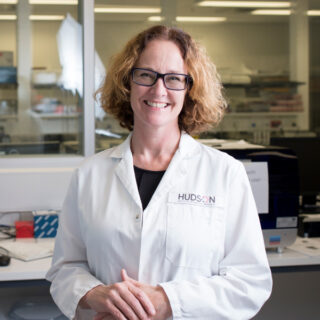
Mechanisms of mucosal damage and repair during bacterial gut infection
Professor Elizabeth Hartland AM
Intestinal damage is a precursor to inflammation and diarrhoeal disease. How gut repair is influenced by the extent and type of inflammation is unknown. We are developing models to understand how best to help the gut lining recover after damage by inflammation and/or infection. Our models are based on human intestinal cells that recapitulate the gut lining and that can be propagated in the lab. We aim to find new ways to help the gut heal quickly after damage occurs.
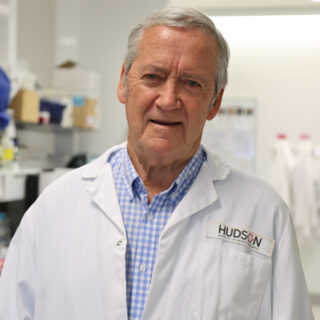
Identification and Selective targeting of proinflammatory effects of interferons
Professor Paul Hertzog
There are limited treatments for inflammatory diseases such as the lung damage in infection by SARS or Flu; autoimmune disease such as Systemic Lupus Erythematosus, inflammatory bowel disease, etc. These conditions can be caused by excess activity of molecules like interferons (IFNs) that are made to protect the body, but for some reason go out of control. We will study how IFNs are controlled in disease and how to block the bad effects while leaving the beneficial effects of IFNs.
This research was supported by | National Health and Medical Research Council (NHMRC) Ideas Grants

-
 Associate Professor Daniel Gough
Signal Transduction in Cancer Biology -
 Dr Ina Rudloff
Interventional Immunology in Early Life Diseases -
 Professor Graeme Polglase
Fetal and Neonatal Health -
 Dr Nicole de Weerd
Regulation of Interferon and Innate Signalling -
 Associate Professor Kate Lawlor
Cell Death and Inflammatory Signalling -
 Professor Elizabeth Hartland AM
Innate Immune Responses to Infection -
 Professor Paul Hertzog
Regulation of Interferon and Innate Signalling
About Hudson Institute
Hudson Institute’ s research programs deliver in three areas of medical need – inflammation, cancer, women’s and newborn health. More
Hudson News
Get the inside view on discoveries and patient stories
“Thank you Hudson Institute researchers. Your work brings such hope to all women with ovarian cancer knowing that potentially women in the future won't have to go through what we have!”