
Pregnancy infection damages the fetal brain – but which infection?
By Rob Clancy, staff writer. Reviewed by Dima Abdu
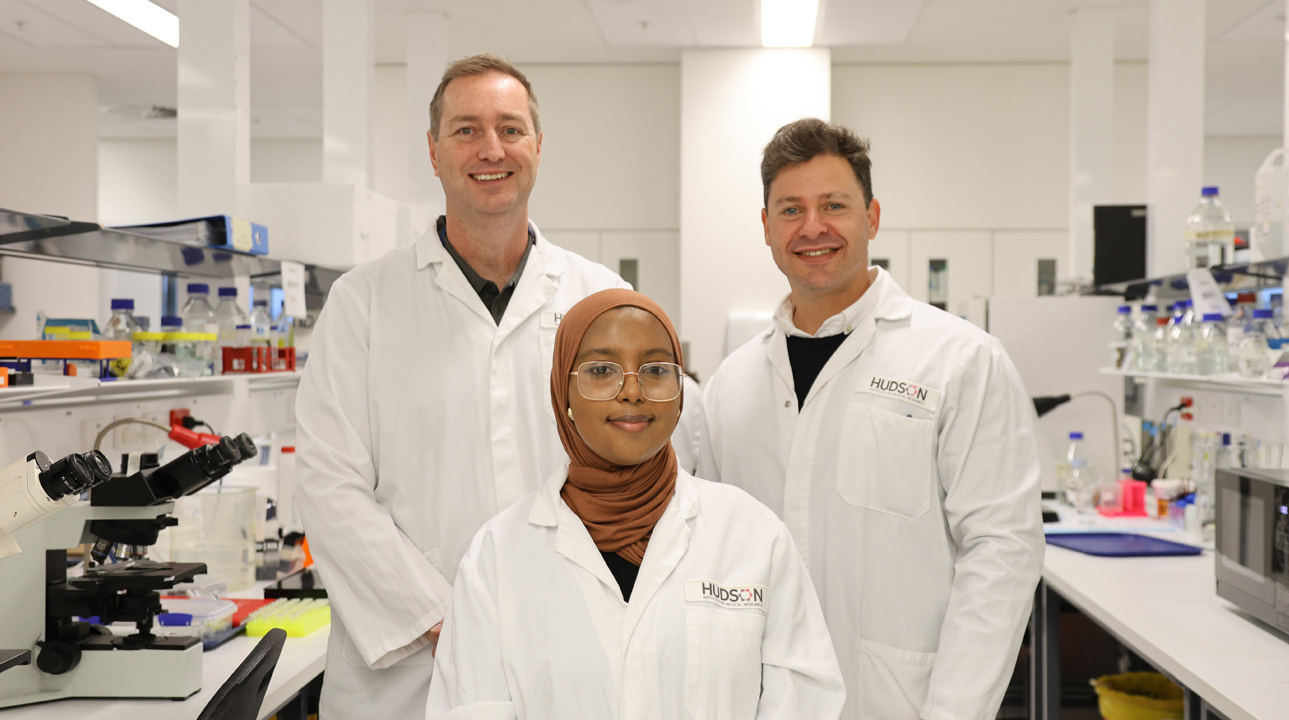
A specific bacterial infection during pregnancy that can cause severe harm to the unborn brain has been identified for the first time, in a finding that could have huge implications for pre-natal health.
Previous studies have disagreed on whether fetal exposure to Ureaplasma parvum has a detrimental effect on brain development, so newborn health specialists from Hudson Institute of Medical Research set out to determine the answer, once and for all.
PhD student Dima Abdu said the answer turned out to be yes and no.
“Some studies have shown an association between Ureaplasma infection during pregnancy and brain injury and/or adverse neurodevelopment, others have not,” she said. “But there is more than one type of Ureaplasma parvum that is found in pregnancies affected by infection, so we decided to see if they had different effects.”
Pregnancy complicated by infection
“Ureaplasma parvum Serovars 3 and 6 are among the most common types that are isolated in pregnancies complicated by infection/inflammation, so we tested them individually in a pre-clinical model and the results were clear.”
Working with her supervisor, Dr Rob Galinksy, Ms Abdu showed that long-term exposure to a specific subtype of Ureaplasma (parvum 6) resulted in loss of cells that are responsible for the production of myelin (the fatty sheath that insulates nerve cells in the brain).
“This resulted in less myelin production and a disruption to the architecture of myelin in the brain. This sort of disruption to myelin production can have a devastating and lifelong impact on neurodevelopment, cognition and motor function,” she said.
“By contrast, we showed that exposure to another subtype of Ureaplasma (parvum 3) had little effect on neurodevelopment.”
Dr Galinsky said these findings have major significance for the way pregnancies are managed in future.
Risks of being born too early
“Many of the babies affected by this infection in utero are at a much higher risk of preterm birth and the chronic intensive care and inflammation associated with being born too early,” Dr Galinsky said.
“These data suggest that the impact Ureaplasma parvum infection on white matter development may be serovar dependant, which may help to explain why some fetuses exposed to intra-amniotic Ureaplasma infection have adverse neurodevelopmental outcomes while others do not.”
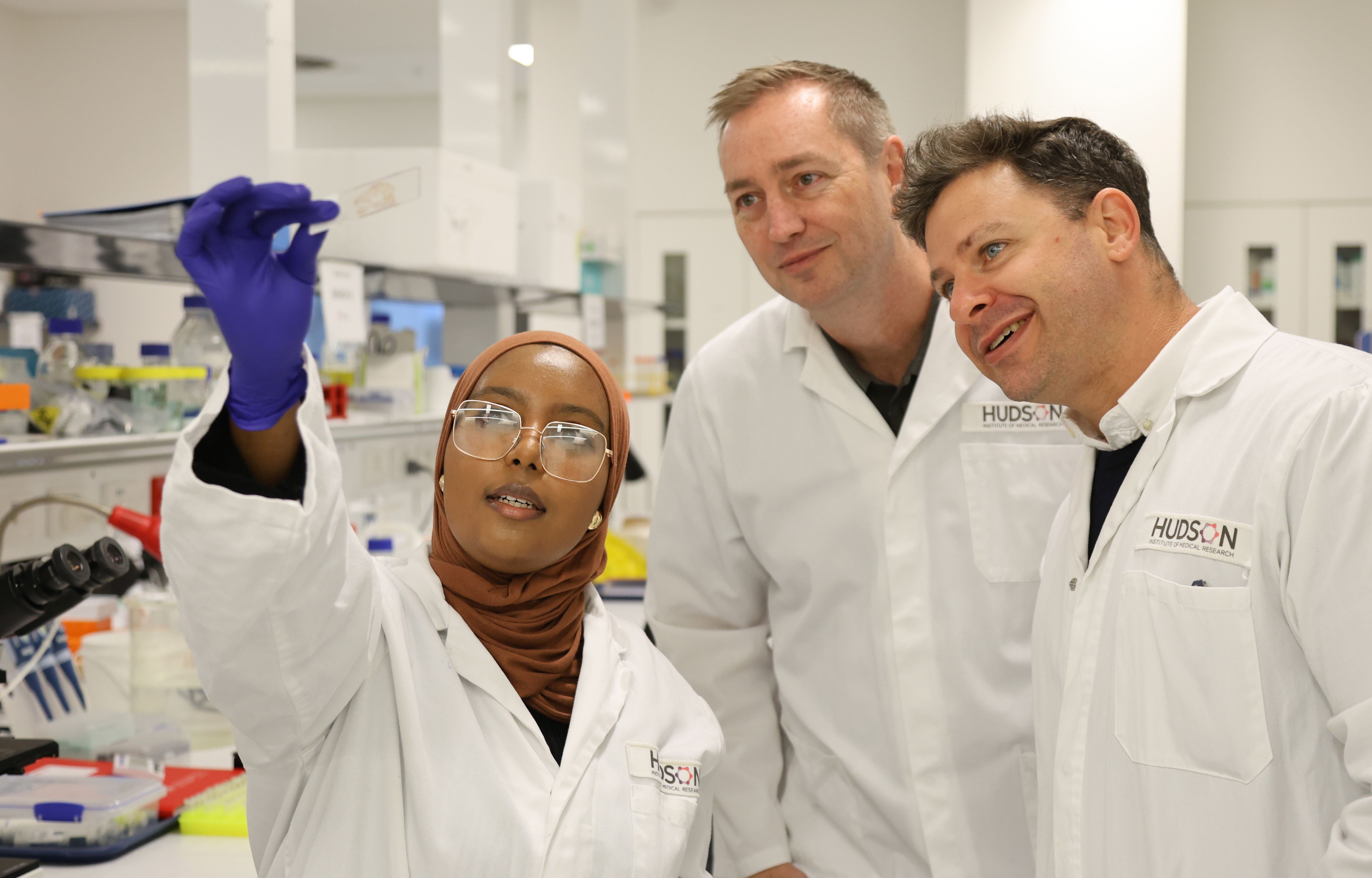
“This study demonstrates that greater emphasis needs to be placed on the specific type of Ureaplasma infection when managing pregnancies, as well as in designing and interpreting studies of fetal infection and neurodevelopmental outcomes.”
Ms Abdu said preterm babies are at high risk of brain injury, especially when they are exposed to infection before birth.
“Infection with Ureaplasma parvum, which can live silently in the womb, is a common but often overlooked cause of preterm birth,” she said.
“Our research shows that exposure to different types of Ureaplasma parvum are not the same — some cause more damage to the developing brain than others.”
“By identifying which serovars are harmful, our study helps to pinpoint which pregnancies are at higher risk and need closer monitoring or early treatment.” Dr Galinsky agrees, adding that: “In the long term, this research will guide the development of targeted therapies to protect vulnerable babies from lifelong problems like cerebral palsy or learning delays.”
Preterm birth facts
- A preterm baby is born before 37 weeks and often has more health problems than a full-term baby.
- The World Health Organizationd escribes the degree of prematurity as late moderate to late preterm (32-37 weeks and most common), very preterm (28-32 weeks) or extremely preterm (less than 28 weeks).
- Globally about 15 million babies – up to one in ten – are born preterm each year and this rate is increasing.
- Most babies born extremely preterm will experience significant problems immediately after birth. The single greatest challenge they face is to clear the liquid that has filled their airways throughout fetal life so that air can enter their lungs and the baby can start air breathing.
- Long-term effects can include growth, movement, vision, hearing, social and emotional problems, cerebral palsy, language delays, dental problems, thinking and learning difficulties and chronic conditions such as asthma.
Collaborators | Department of Pediatrics/Neonatology, UCLA Mattel Children’s Hospital, USA • Division of Neonatology, Cincinnati Children’s Hospital Research Foundation, USA • Division of Obstetrics and Gynaecology, Medical School, The University of Western Australia (UNWA)
This research was supported by | National Health and Medical Research Council • Cerebral Palsy Alliance • Harold and Cora Brennen Benevolent Trust • Victorian Government’s Operational Infrastructure Support Program
Journal | Brain Communications
Title | Intra-amniotic infection with Ureaplasma parvum causes serovar-dependent white matter damage in preterm fetal sheep
View publication | https://academic.oup.com/braincomms/article/7/3/fcaf182/8145621#522257347


In this article


About Hudson Institute
Hudson Institute’ s research programs deliver in three areas of medical need – inflammation, cancer, women’s and newborn health. More
Hudson News
Get the inside view on discoveries and patient stories
“Thank you Hudson Institute researchers. Your work brings such hope to all women with ovarian cancer knowing that potentially women in the future won't have to go through what we have!”