
Wheels within wheels – helping fund life changing research
By Rob Clancy, staff writer

There is a paradox in the funding of Hudson Institute’s newborn health research. Rather than curing existing diseases, the success of this research is seen in the absence of illness.
It’s something the members of Inner Wheel are familiar with, but they are looking for results, not recognition.
Take our umbilical cord blood (UCB) research, for example. Children born prematurely who previously may have endured life-long neurodevelopmental disorders such as cerebral palsy (CP), now have a better chance of living healthy, productive lives, thanks to the treatments they received shortly after birth.
Research, testing and development
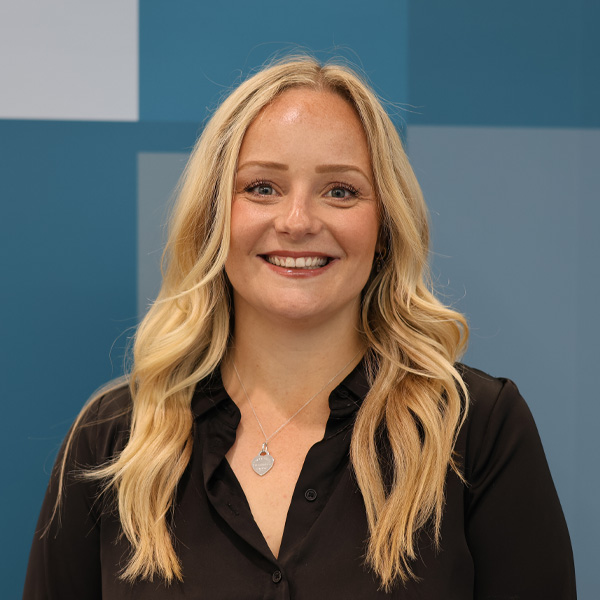
Those treatments are the result of exhaustive research, testing and development by scientists like Dr Tegan White.
Tegan is a member of the Neurodevelopment and Neuroprotection Research group in The Ritchie Centre, working on better, faster ways to identify conditions that could compromise a baby’s health, and treatments to counteract them.
It is vital research, and that is where the paradox comes in; the more successful Dr White and her colleagues are, the fewer babies will grow up with life-limiting health conditions like CP, and the less visible the problem will be.
But this crucial work is far from cheap. Government funding for medical research has never been more difficult to come by, so donations like those from Inner Wheel literally make the difference between employing researchers or not.
Inner Wheel’s national fundraising effort
As Dianne Barlow, National Project Coordinator for Inner Wheel Club of Narre Warren says, “I grew up with the word ‘volunteer’ as a powerful word in my family. My mother and father inspired me to follow this course throughout my life.”
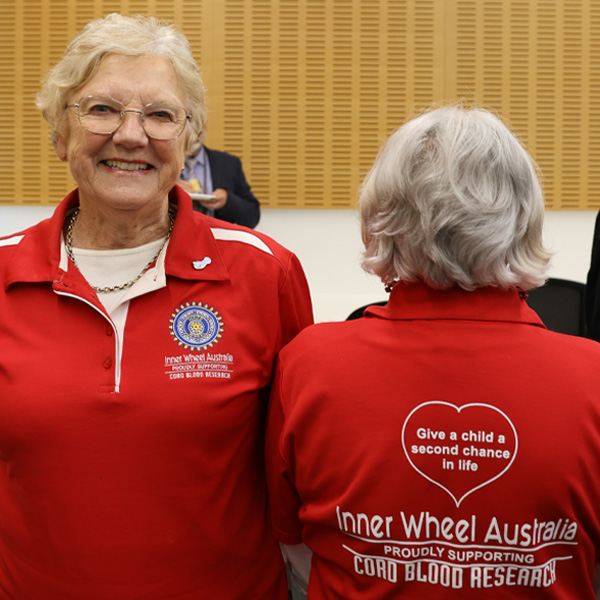
With event like their “Two for Ten” Walk and International Women’s Day fundraising luncheon (not to mention the garage sales, stalls, sales of homemade items, etc.), the Narre Warren branch of Inner Wheel is part of a national effort to raise enough money for a research grant to employ one more full-time researcher.
Due to the tireless efforts of dedicated volunteers like Dianne, the Narre Warren chapter has raised over $10,000 in the last two years alone.
Inner Wheel is also helping to spread the word about the importance of Cord Blood Research, through community advertising, and Dr White is thankful for more than just the funding they provide.
“It is incredibly rewarding to be reminded that people care about our research, and are so passionate about it themselves,” she said. “In the case of the Inner Wheel group they are not necessarily impacted by the causes we are working on and still find such interest in our work and always eager to learn more.”
This collaboration shows what one small group can do, and future generations of healthy Australians will be living proof of the difference one Hudson Institute lab has made….whether that difference is visible, or not.

Preterm Birth Facts
- A preterm baby is born before 37 weeks and often has more health problems than a full-term baby.
- Globally about 15 million babies – up to one in ten – are born preterm each year and this rate is increasing.
- Most preterm babies can develop normally but may be at increased risk of developmental problems.
- Long-term effects can include growth, movement, vision, hearing, social and emotional problems, cerebral palsy, language delays, dental problems, thinking and learning difficulties and chronic conditions such as asthma.

In this article
-
 Dr Tegan White
Neurodevelopment and Neuroprotection - Professor Suzanne Miller
Neurodevelopment and Neuroprotection - Associate Professor Courtney McDonald
Cell Therapies and Neuroinflammation - Dr Tayla Penny
Cell Therapies and Neuroinflammation - Dr Emily Camm
Neurodevelopment and Neuroprotection - Dr Ilias Nitsos
Fetal and Neonatal Health - Dahyun Kang
Neurodevelopment and Neuroprotection - Dr Amy Sutherland
Neurodevelopment and Neuroprotection - Dr Indya Davies
Fetal and Neonatal Health
About Hudson Institute
Hudson Institute’ s research programs deliver in three areas of medical need – inflammation, cancer, women’s and newborn health. More

Hudson News
Get the inside view on discoveries and patient stories
“Thank you Hudson Institute researchers. Your work brings such hope to all women with ovarian cancer knowing that potentially women in the future won't have to go through what we have!”
