
Autoinflammatory diseases


Autoinflammatory diseases are conditions in which the innate immune system becomes inappropriately activated, causing recurrent or persistent inflammation without infection.
This uncontrolled inflammation can lead to fevers, pain, organ damage and long-term health complications, often beginning in childhood.
Together, these disorders place a significant burden on patients, families and the healthcare system. Many are chronic and can be severe or progressive, and while treatments can help control symptoms, options remain limited and cures are rare, making diagnosis and more targeted therapies critically important.
What are autoinflammatory diseases?

Causes
Types
Diagnosis
Treatments
Our autoinflammatory disease research
At Hudson Institute, our autoinflammatory disease research focuses on understanding why the innate immune system becomes abnormally overactive, triggering harmful inflammation and driving tissue damage.
Autoinflammatory conditions are often caused by genetic mutations that disrupt key immune pathways, leading to chronic illness. Our researchers are investigating the molecular mechanisms underlying these disorders to identify new therapeutic targets.
By understanding how changes in single genes can drive dysregulated inflammation, we can gain broader insights into inflammatory mechanisms that contribute to more complex disorders, including rheumatoid arthritis and inflammatory bowel disease.
Our goal is to develop precise, targeted treatments that better control inflammation, prevent long-term complications and significantly improve quality of life for patients and their families.
Research projects underway
Functional screens of inflammasome variants
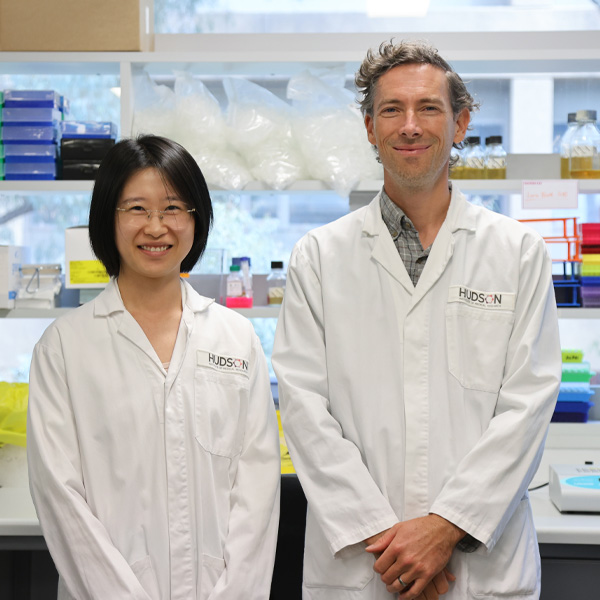 The inflammasome is a complex of proteins within our cells that forms to trigger inflammation, and fight infection. However, gene variants in the inflammasome sensor can trigger it accidentally, causing autoinflammatory disease, often early in life.
A major challenge, is working out for any individual patient if they have a variant in one of these inflammasomes, is it the cause of their disease. To answer that question we are establishing functional screens for all known variants.
Characterising inflammasome variants and understanding the underlying pathways provides answers for the affected families and facilitates successful therapeutic intervention.
Mastering the master regulators
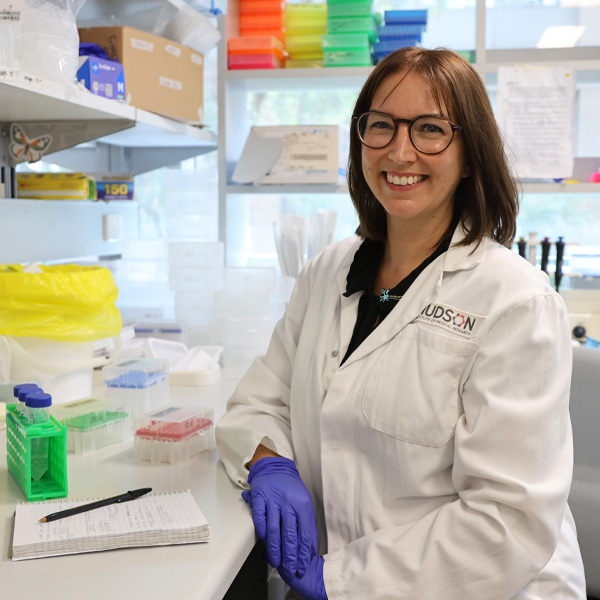
New ways to target chronic inflammation
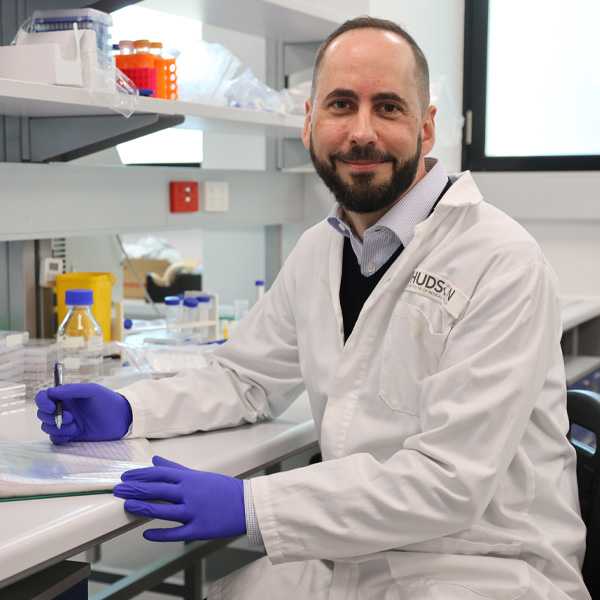
NLRP1 Inflammasome Dysregulation in Autoinflammatory and Skin Disease

Support for people with Autoinflammatory diseases
Hudson Institute scientists cannot provide medical advice.
If you would like to find out more information about autoinflammatory diseases, please visit
- Australia and New Zealand Autoinflammatory Alliance – ANZFAID
- The Australian Autoinflammatory Disease Registry (AADRY)
- The Registry of Hereditary Auto-inflammatory Disorders Mutations
- The International Society of Systemic Auto-Inflammatory Diseases
Autoinflammatory Disease news
Keep up-to-date with our latest discoveries

