
A world inside each one of us
By Rob Clancy, staff writer
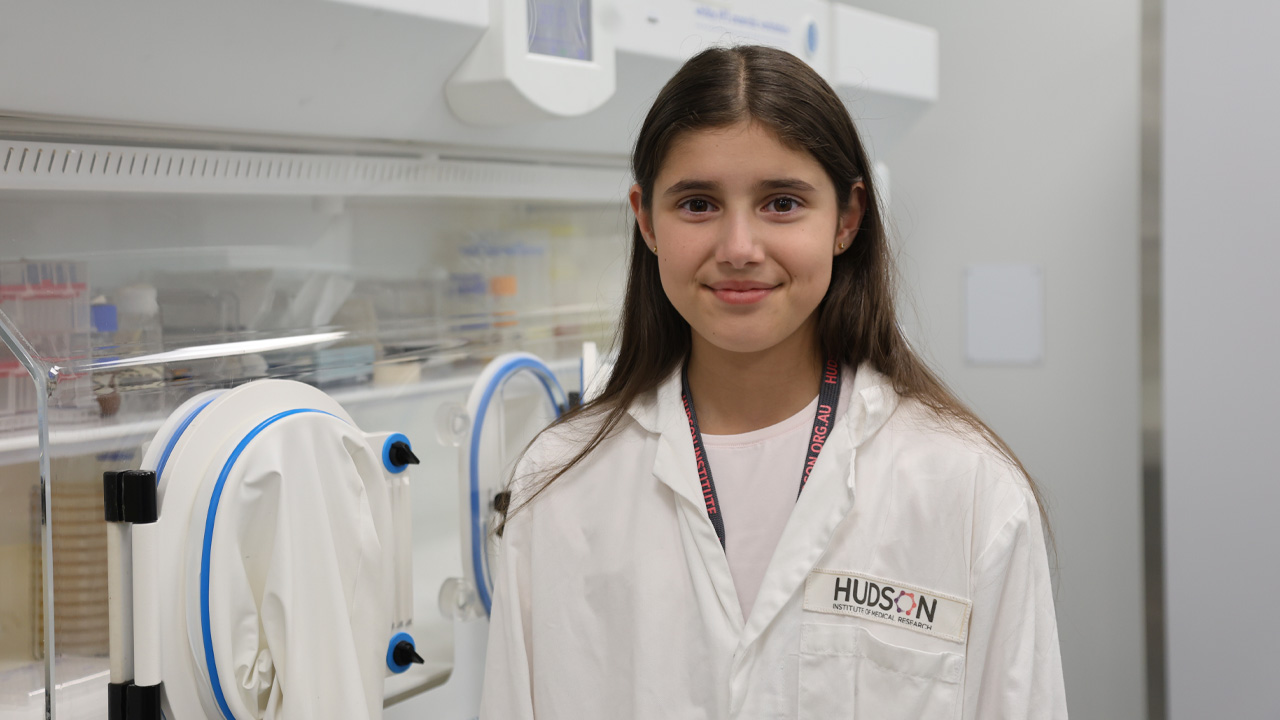
There are only a few good reasons why a child might be seen in a Hudson Institute lab.
Work experience might explain it, or perhaps a researcher briefly juggling parenting duties during school holidays, but the most likely explanation is a much more sobering one.
Usually, the child paying a visit has a life-altering, possibly fatal disease, and he or she has come to meet the people working to change that situation.
Charlotte and Noah fit into the latter category; they both have Ulcerative Colitis, a form of Inflammatory Bowel Disease (IBD) that is incurable, painful and disruptive, often requiring hospitalisation and surgery.
In rare cases, it can be life threatening.
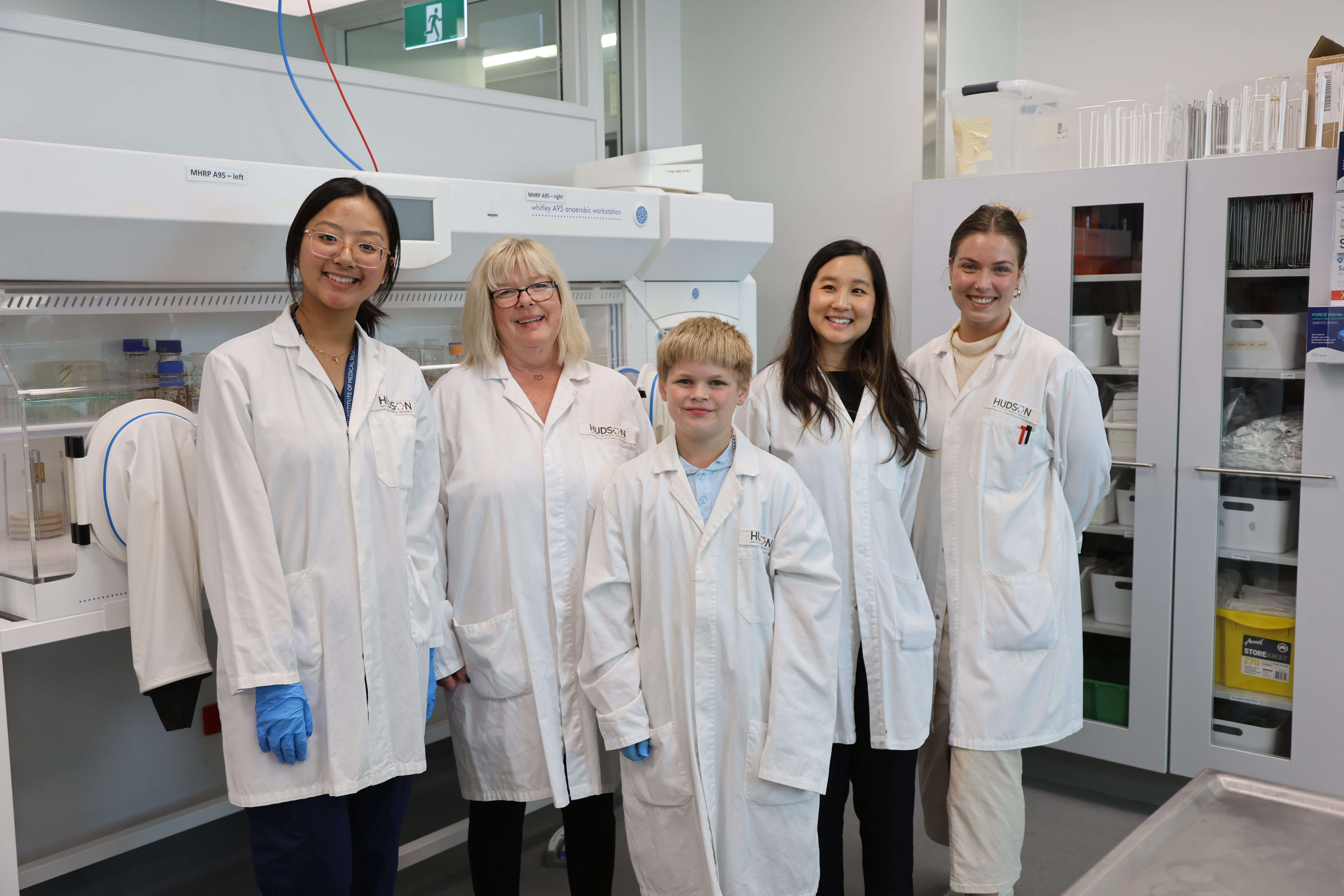
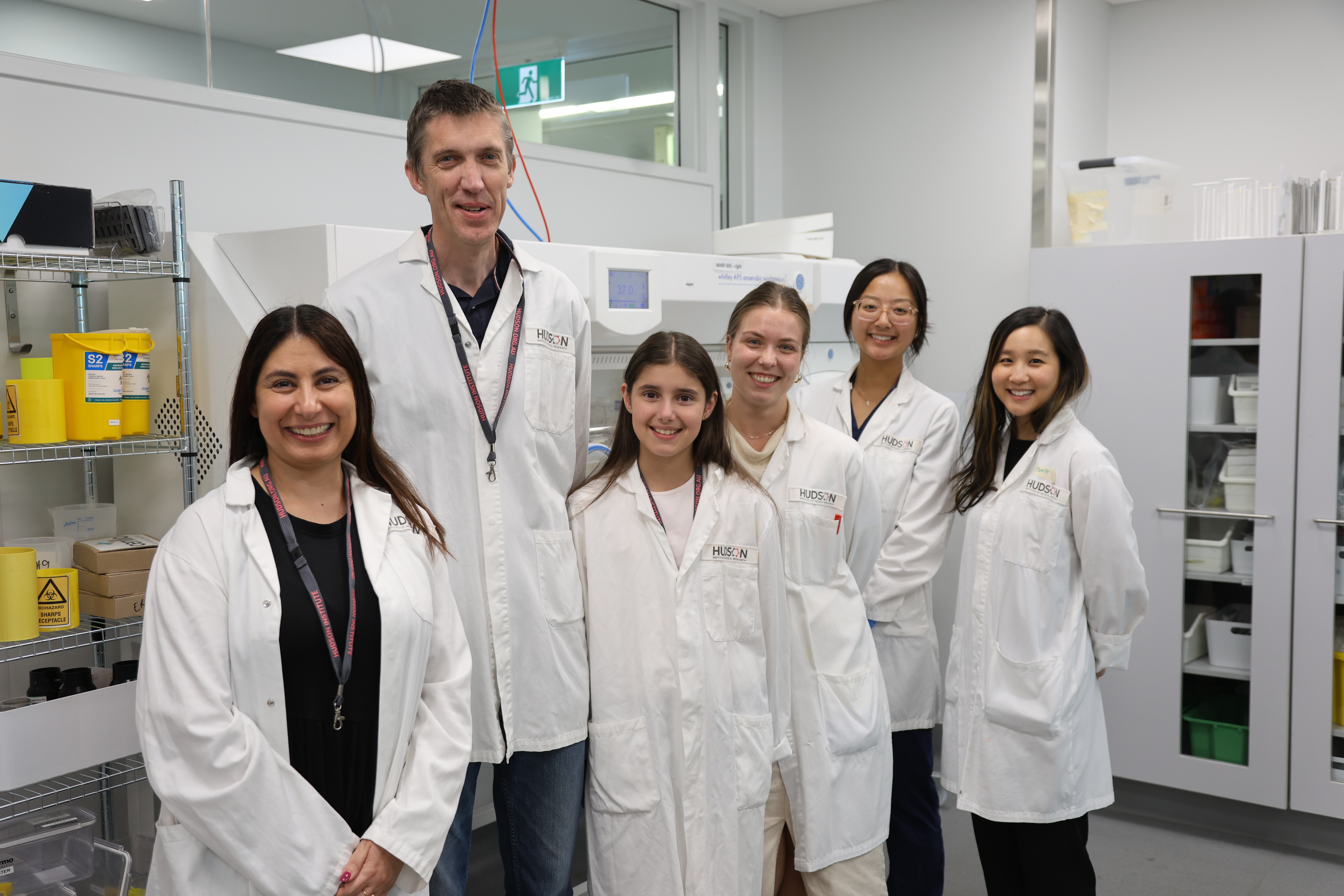
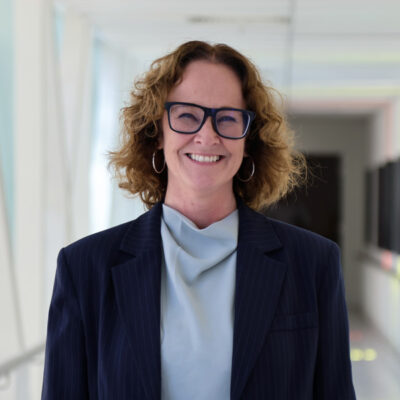
13-year-old Charlotte and 11-year-old Noah already know more about IBD than most people, but few people anywhere on in the world know as much about it as Professor Sam Forster.
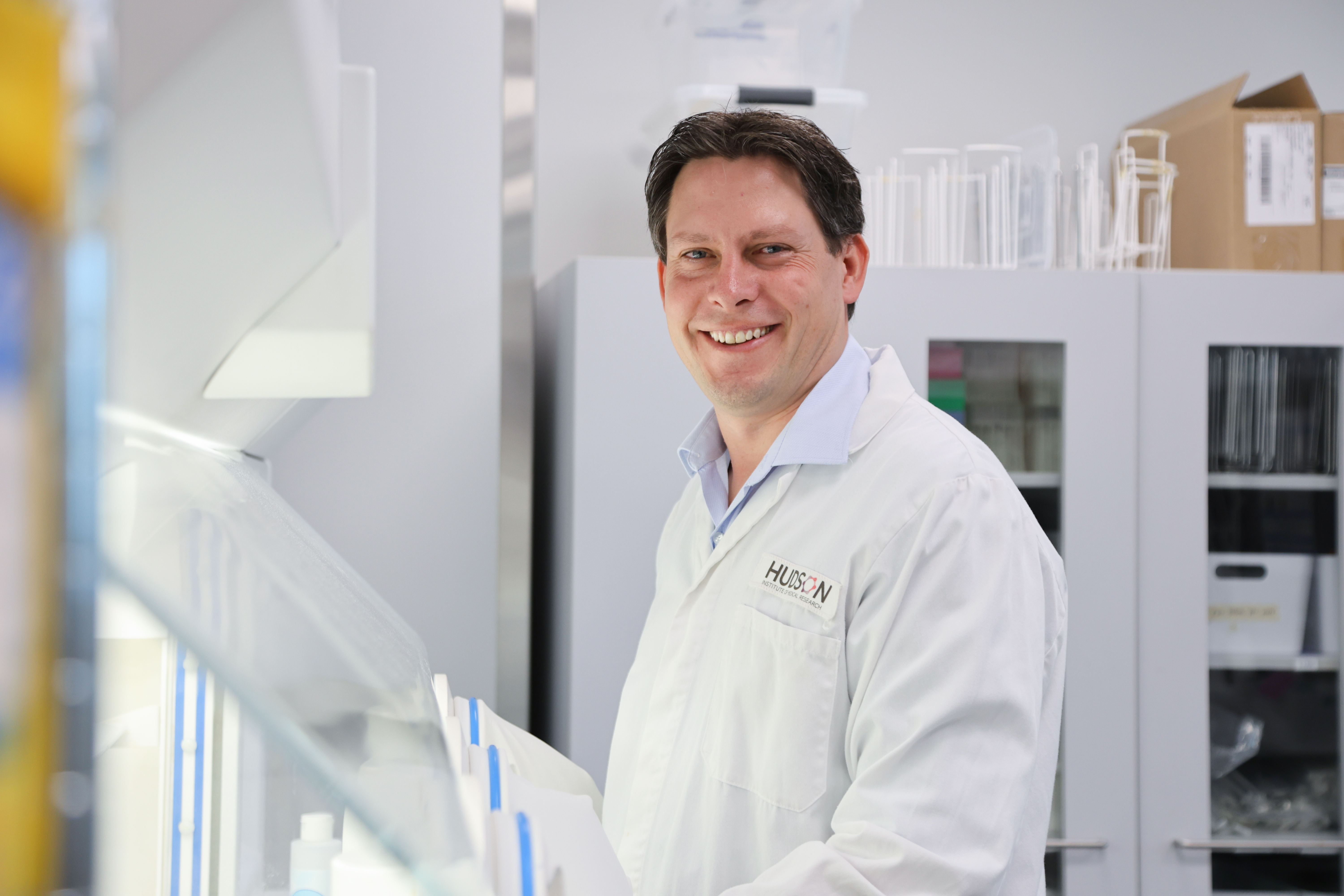
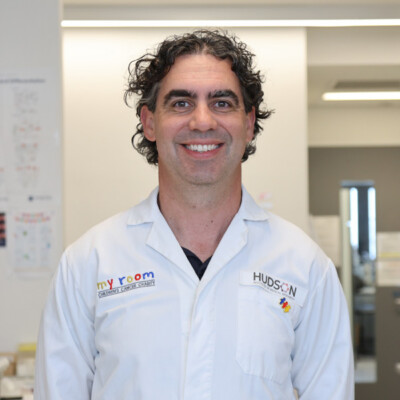
His research combines expertise in microbiology, immunology and computational biology to understand the function of the microbiome – the microbial communities that exist inside every human gut – and its role in IBD, among other diseases.
“In every one of us, the gut is home to a unique assortment of microbes,” he says. “Like a rainforest or coral reef, these microbes form complex ecosystems that perform critical functions, including ensuring our health.”
“Thanks to modern practices like over-use of antibiotics, both in humans and agriculture, many of these microbes are disappearing before we even know what they do.
“There is an urgent need to understand this amazing system because, it’s a rapidly closing window that could hold the clue to any number of health conditions,” Prof Forster says.
With his team at Hudson Institute, the focus is on understanding the forgotten friendly microbes: what they are, what they do, and how their absence can weaken communities and invite disease.
For people living with IBD, like Charlotte and Noah, the ultimate aim is to prevent inflammation from happening at all rather than pursing treatments that try to control it after it already exists.
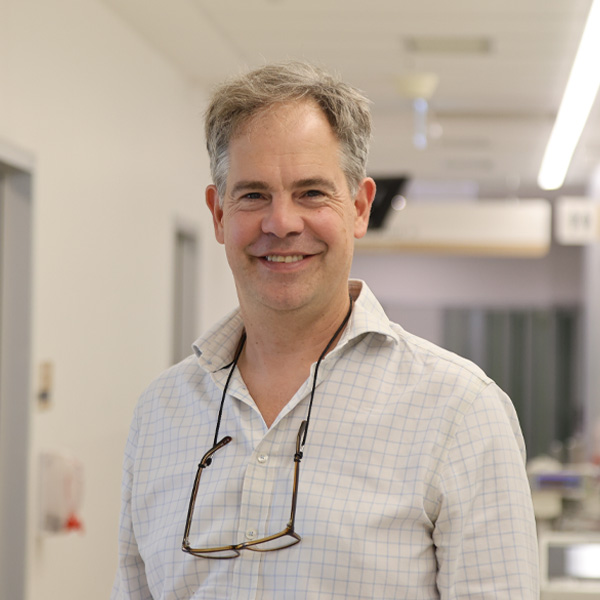
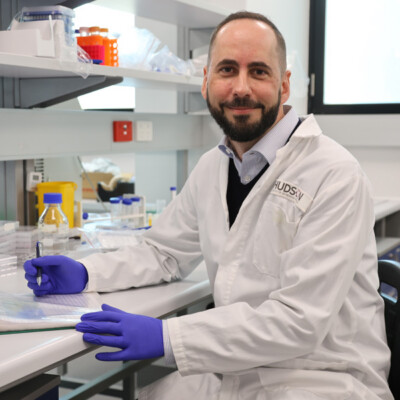
As well as his lab-based work, Prof Forster has the advantage of colleagues like Dr Ed Giles, a Paediatric Gastroenterologist at Monash Health, who coincidentally, is Charlotte’s doctor.
They work together to develop and test new techniques and theories for fighting IBD, without ever losing sight of the people – even very young ones – who will benefit from their efforts.
Their aim is to build off previous discoveries to develop new therapeutic approaches for IBD that will target particular species of bacteria and could one day transform treatment for IBD patients.
But it is work that needs funding, not just for Noah and Charlotte’s sakes, but to keep Australia at the forefront of this vital, time-sensitive area of medical research.
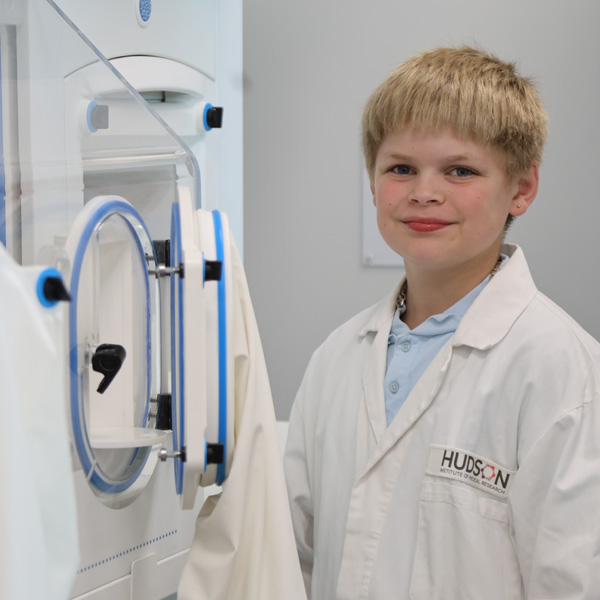 It’s only been two years since Noah was diagnosed with Ulcerative Colitis (a form of IBD), but when you’re just 11, that’s a very long time.
At the moment, with few effective treatments available, Noah is staring down the barrel of many more years of debilitating symptoms – extreme pain, bleeding from the bowel, and worse.
Noah knows that medical research is his best chance of living a healthy, normal life.
What he really wants is a cure, and that is exactly what Hudson Institute researchers are working hard to develop, and funding is the key to making it happen, for kids like Noah and people living with IBD everywhere.
“If I had that pain again, I don’t think I’d be able to bear it. It was 10 times worse than a bone breaking. It was IBD.” – Noah, aged 11, IBD patient
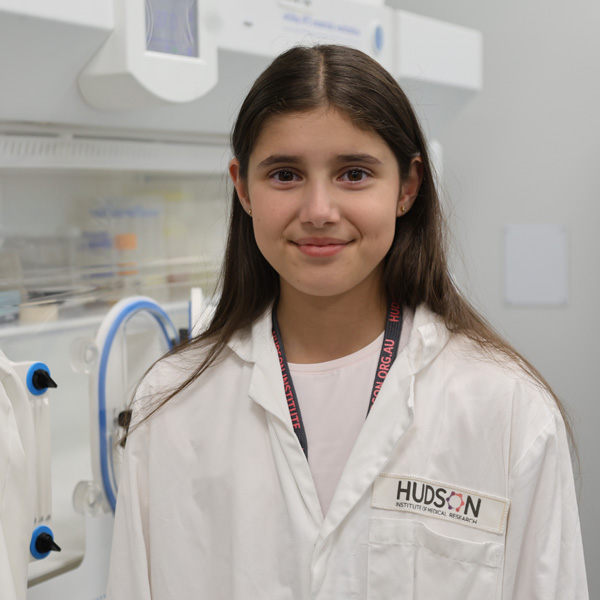 Charlotte was just 9 years old when she began experiencing unusual gastro-like symptoms that wouldn’t go away.
As doctors looked for the cause the symptoms worsened; she experienced pain and discomfort, weight loss and too many visits to the toilet.
Everyday activities became precarious – she was terrified to go to school, not knowing if her condition would strike at the worst possible moment.
When a colonoscopy established that she had IBD it was only the start, with hospital stays, frequent infusions, special diets and more turning her carefree young life into something regimented yet unpredictable.
“I hope one day we find a cure so people like me can finally live without the struggles of IBD. Research is the only way things are going to get better for people like me.” – Charlotte, aged 13, IBD patient
What is IBD?
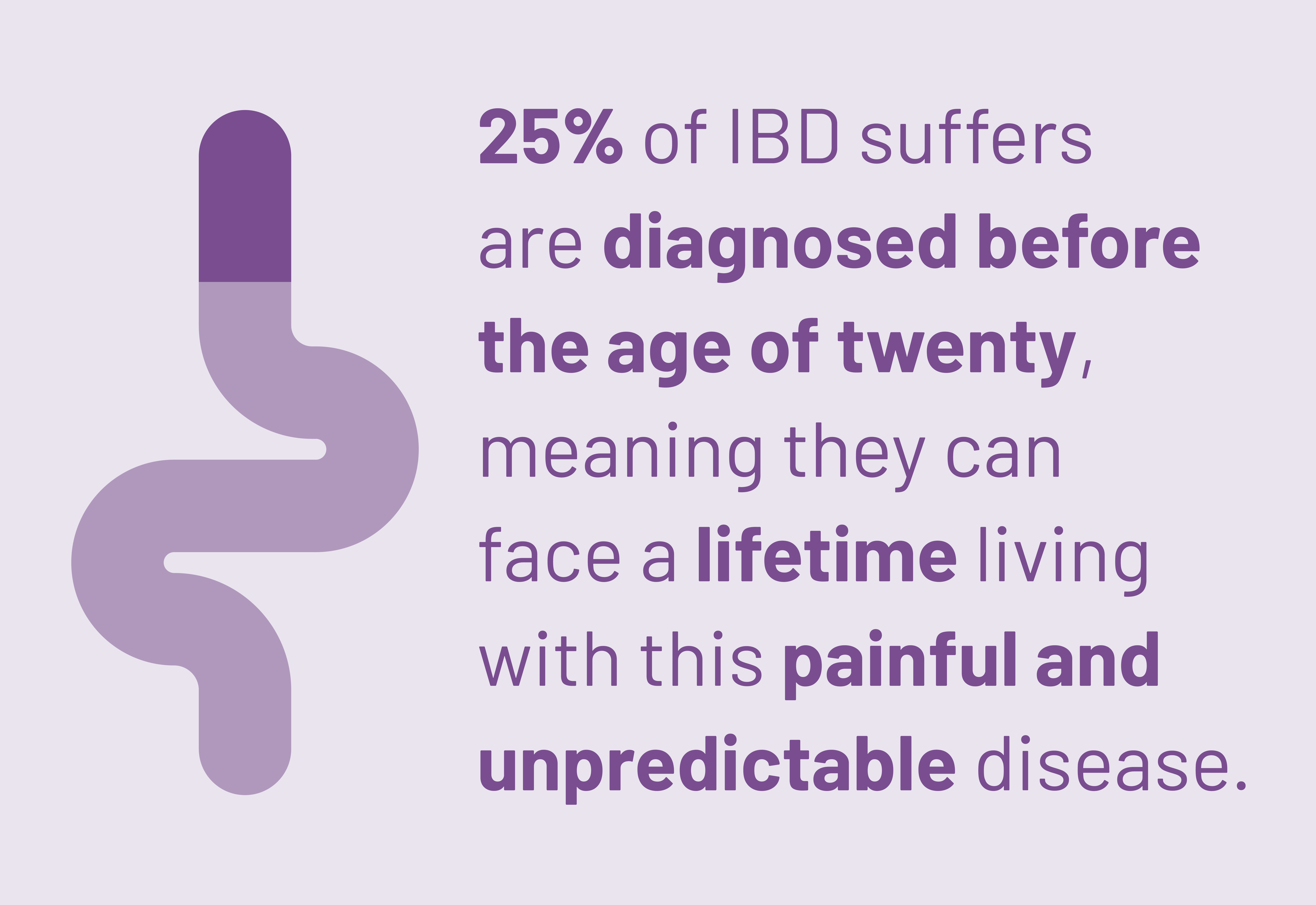
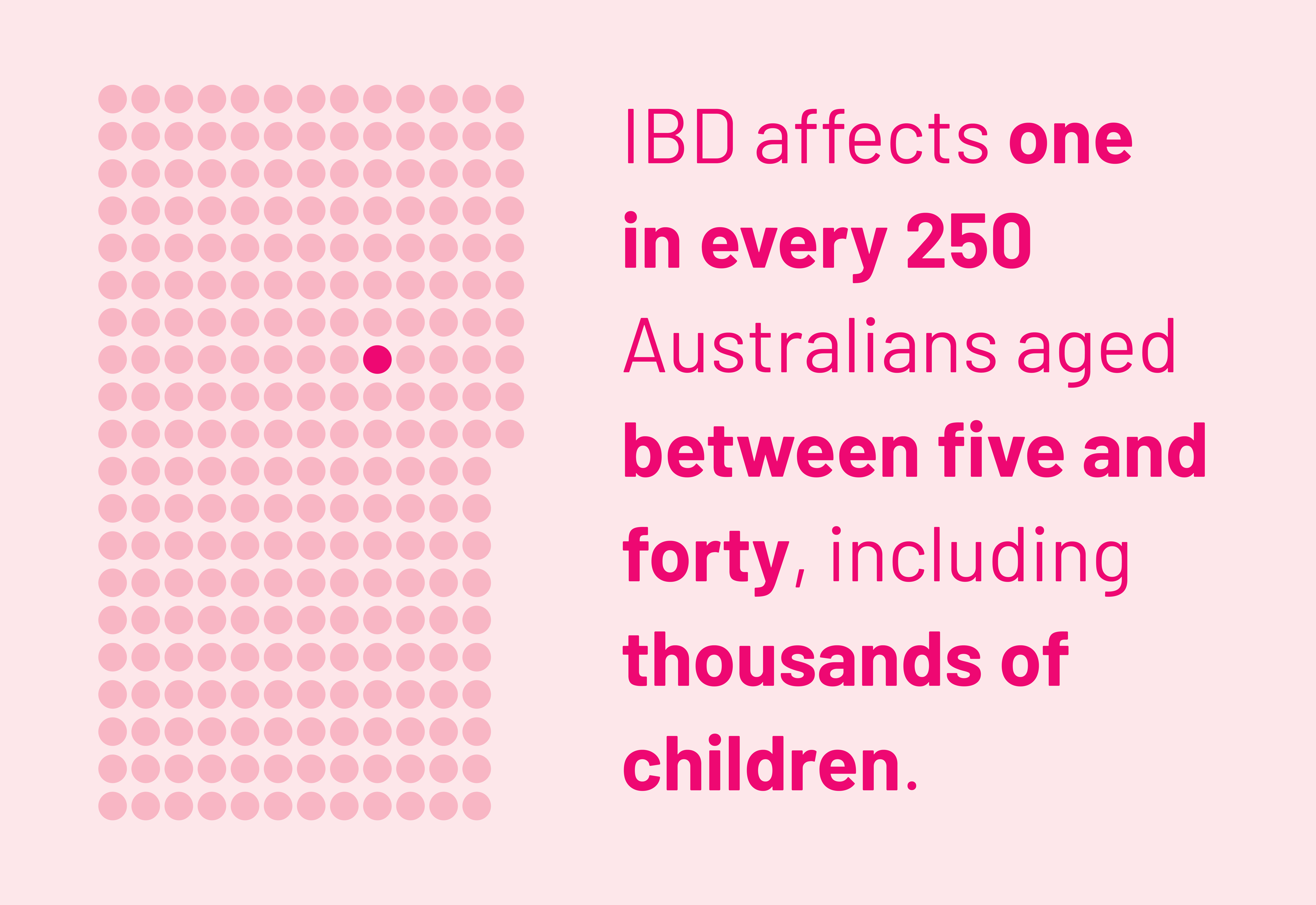
IBD is an overarching term for a group of chronic intestinal conditions that cause inflammation in the digestive tract including the mouth, oesophagus, stomach and the small and large intestine.
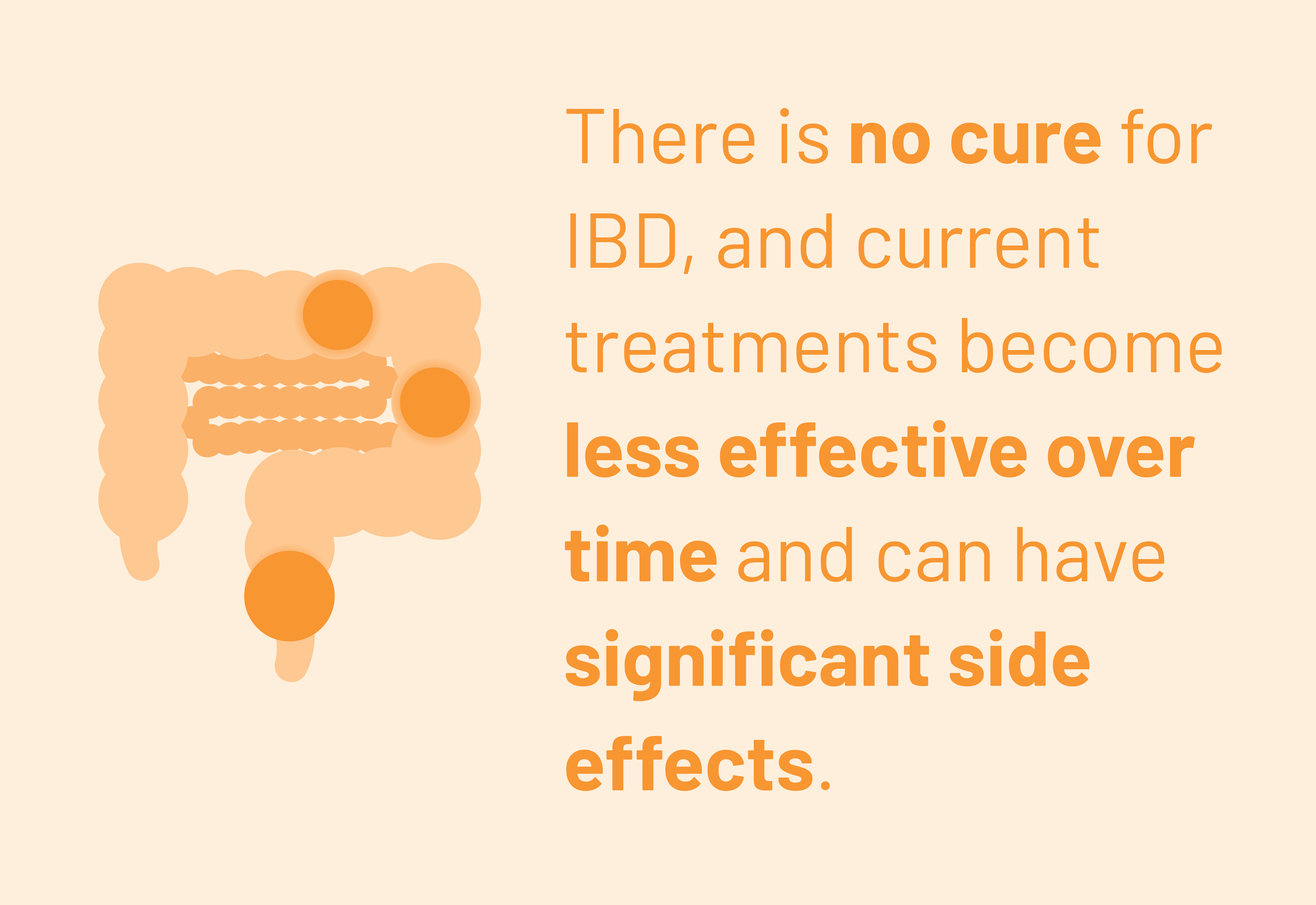
The exact cause of IBD is unknown and there is no cure. Current treatments include drugs that suppress the immune system, but these become less effective over time and can have significant side effects including leaving patients with an increased risk of cancers, particularly lymphoma.
IBD not only impacts health, but also social and emotional wellbeing. Having IBD can cause severe disruption to a patient’s life and the isolation and stress experienced can result in anxiety and depression.


In this article


About Hudson Institute
Hudson Institute’ s research programs deliver in three areas of medical need – inflammation, cancer, women’s and newborn health. More
Hudson News
Get the inside view on discoveries and patient stories
“Thank you Hudson Institute researchers. Your work brings such hope to all women with ovarian cancer knowing that potentially women in the future won't have to go through what we have!”